The Risk of Keeping a Sprained Ankle Wrapped Up for Too Long
Rolling an Ankle Is the Easy Part
Most people have rolled an ankle at some point, whether it was stepping off a kerb or landing badly during a game. The usual first move is to wrap it up, rest it and wait. The trouble begins when the bandage stays on long after it’s needed.
If you’re looking into sprained ankle treatment in Singapore, it helps to know that support is only one part of the picture. Most plans for sprained ankle treatment shift from protection to movement as the ligaments heal, and timing that shift matters.
What the Wrap Is Actually Doing
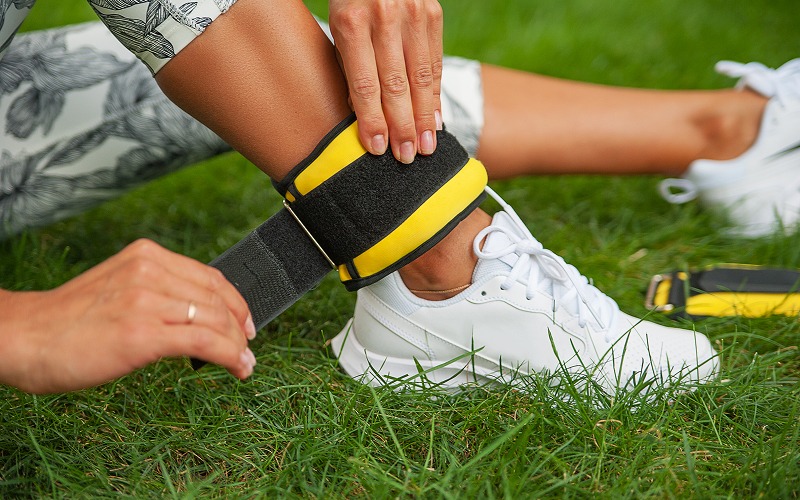
A compression bandage or brace has a clear job in the first few days after a sprain. It helps limit swelling, gives the joint some support and makes short walks easier. That early phase of sprained ankle treatment is mostly about protecting the area so the ligaments aren’t strained further. The catch is that a wrap doesn’t strengthen anything. It holds the ankle in place, but the muscles, tendons and ligaments around the joint still need gradual movement and load to regain their strength and flexibility. Leaving the support on for weeks can mean the ankle feels protected while it slowly gets weaker underneath.
Signs You May Have Kept It Wrapped Too Long
It isn’t always obvious when support has gone from helpful to limiting. Many people only notice once they return to their routine.
Watch for these signs if you’re weighing up sprained ankle treatment in Singapore:
| Sign | What It Might Point To |
| Stiffness when you point or flex your foot | Reduced range of motion from the joint being held still |
| Wobbling when standing on the injured leg | Lower balance and control, as the ankle hasn’t been tested lately |
| One calf or ankle feeling weaker | Muscle strength dropping from less use during recovery |
| Feeling uneasy without the wrap on | Relying on outside support rather than the ankle’s own stability |
How Recovery Usually Moves Forward
Once swelling settles, sprained ankle treatment often moves through a few steps:
- Gentle range-of-motion work: Drawing circles with your foot helps ease stiffness without loading the joint.
- Gradual strengthening: Calf, ankle and foot exercises, often with a resistance band, help the joint cope with walking and stairs.
- Balance training: Standing on one leg, first on flat ground, then softer surfaces, helps rebuild the control that keeps your ankle steady.
- Return to activity: Light jogging and sport-specific drills come in once earlier stages feel comfortable.
The pace depends on the sprain, so a physiotherapist can help you judge when to move on.
When to Get Your Ankle Assessed
Some sprains settle within a few weeks, while others linger. If you can’t put weight on the foot, notice heavy bruising or swelling, or the ankle looks out of shape, see a doctor first, as an X-ray may be needed to rule out a fracture.
For ankles past the early stage that still feel stiff, weak or unreliable, a physiotherapy assessment as part of sprained ankle treatment in Singapore can help you work out what’s holding things back. A session usually checks how your ankle moves, how well you balance and how it handles load, then sets exercises that suit where you’re at.
The Main Points in Brief
- Compression and support help most in the first few days after a sprain.
- Long periods in a wrap can leave the ankle stiff, weak and less steady.
- Recovery usually moves from mobility to strength, then balance and activity.
- See a doctor first if you can’t bear weight or the ankle looks misshapen.
Giving Your Ankle Room to Recover
A sprain can feel minor, but how you manage the following weeks can shape how it feels later. Wrapping it early on makes sense. Holding onto that support for too long, though, can leave the joint stiffer and less steady.
Easing off the wrap doesn’t mean ignoring the injury. It means swapping support for gradual, guided movement that helps the ankle rebuild its strength and control. If you’re unsure whether you’re ready to go without it, an assessment can help you work out the next step.
Contact The Movement Library if your ankle still feels stiff or unsteady, and we can help map out the next stage of your recovery.