
Knee Pain in Ladies: Causes, Symptoms and Effective Treatment Options
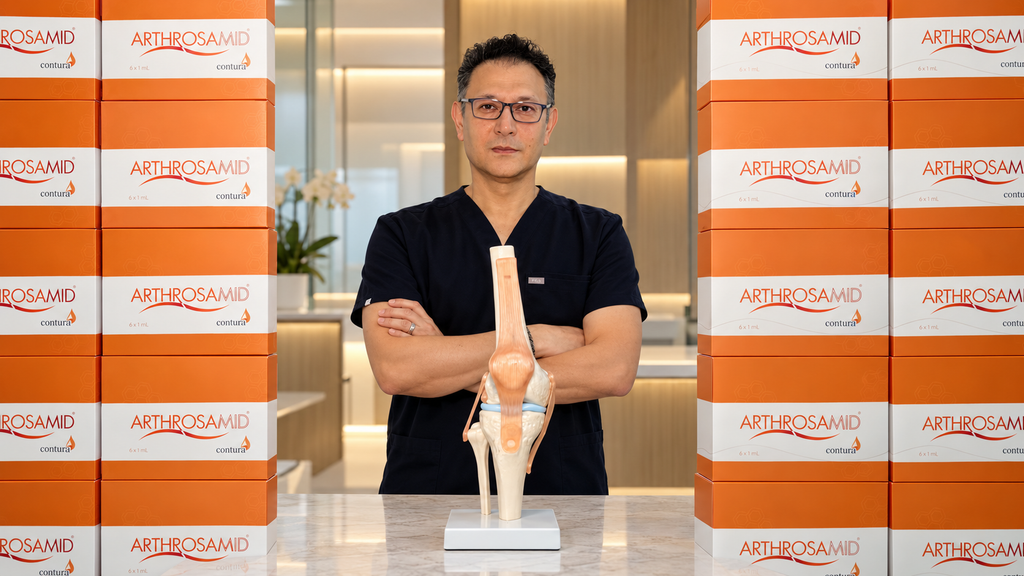
Knee pain can affect anyone, but many women experience specific challenges that can make knee discomfort more common at different stages of life. A woman who once enjoyed walking, exercising, travelling, or spending time with family may gradually notice that her knees do not feel the same anymore.
It often starts quietly. A little stiffness in the morning. A slight ache after shopping. Discomfort when using stairs. A feeling that the knee needs more time to “warm up” before moving comfortably.
Many women ignore these early signs because they believe knee pain is simply part of getting older or something they have to accept. However, persistent knee discomfort is not something that should be dismissed. Understanding the cause can help women find suitable ways to protect their joints and maintain an active lifestyle.
Knee pain in ladies can develop because of several factors, including changes in hormones, previous injuries, muscle strength, daily activities, and joint conditions such as osteoarthritis.
This guide explains why women experience knee pain, the symptoms to watch for, common causes, and the treatment approaches that may help improve everyday movement.
Why Do Women Experience Knee Pain?
The knee is a complex joint that carries a large amount of pressure every day. It supports body weight while allowing movement such as walking, bending, running, and climbing stairs.
Women may experience knee problems due to a combination of physical, biological, and lifestyle factors.
Some common reasons include:
- Changes in muscle strength
- Previous sports or activity-related injuries
- Hormonal changes throughout life
- Increased joint stress
- Pregnancy-related changes
- Age-related changes inside the joint
The reason behind knee pain is not always obvious. Two women of the same age may experience completely different symptoms because their lifestyles, genetics, activity levels, and health backgrounds are different.
This is why identifying the cause is an important part of finding the right solution.
What Causes Knee Pain in Females?
Many women search for answers to the question: “What causes knee pain in females?”
The answer depends on individual circumstances, but several causes appear frequently.
Osteoarthritis and Age-Related Knee Changes
Osteoarthritis is one of the most common reasons women experience long-term knee discomfort.
Inside a healthy knee, cartilage allows the bones to move smoothly. Over time, this protective layer may gradually become thinner, leading to increased friction within the joint.
This can cause:
- Pain during movement
- Knee stiffness
- Swelling
- Reduced flexibility
- Difficulty with daily activities
Women may notice these symptoms developing gradually rather than appearing suddenly.
Common situations where osteoarthritis-related knee pain becomes noticeable include:
- Walking longer distances
- Standing for extended periods
- Getting up from a chair
- Going up and down stairs
Early attention and suitable management can help many people continue their normal activities.
Hormonal Changes and Knee Health
Hormones can influence many areas of the body, including muscles, joints, and connective tissues.
During different stages of life, women may experience changes that affect how their body feels and moves.
For example:
- Hormonal changes around menopause may influence joint comfort.
- Pregnancy can place additional pressure on the knees due to weight and posture changes.
- Changes in activity levels may affect muscle strength.
These factors do not mean every woman will develop knee problems, but they can contribute to discomfort in some individuals.
Previous Knee Injuries
A previous knee injury can sometimes affect joint health years later.
Women who have experienced injuries during:
- Sports activities
- Exercise
- Falls
- Accidents
may notice ongoing discomfort even after the original injury appears to have healed.
Common examples include:
- Ligament injuries
- Cartilage damage
- Meniscus problems
A past injury may change the way the knee moves, which can place extra stress on certain areas of the joint.
Muscle Weakness and Knee Support
The muscles around the knee provide important support.
Strong thigh, hip, and leg muscles help control movement and reduce pressure on the joint. When these muscles become weaker, the knee may have to handle more strain.
Factors that can contribute to muscle weakness include:
- Lack of regular exercise
- Long periods of inactivity
- Recovery after injury
- Lifestyle changes
Strengthening exercises can often play an important role in improving knee function.
Knee Pain During Everyday Activities
Many women first notice knee problems during normal daily tasks.
Common examples include:
Pain When Using Stairs
Going upstairs or downstairs places additional pressure on the knee joint. Discomfort during this activity is a common complaint.
Pain After Sitting
Some women experience stiffness after sitting for a long time, such as during work, travel, or watching television.
Pain During Exercise
Exercise is important for overall health, but unsuitable activities or incorrect techniques may increase knee discomfort.
Difficulty Kneeling or Squatting
Reduced flexibility and joint discomfort may make these movements more challenging.
Symptoms of Knee Problems Women Should Not Ignore
Knee pain can appear differently depending on the cause.
Important symptoms include:
Persistent Pain
Pain that continues for several weeks may require assessment, especially if it affects daily activities.
Swelling Around the Knee
Swelling can indicate irritation inside the joint.
Stiffness
A stiff knee may make movement uncomfortable, particularly after rest.
Clicking or Grinding
Sounds from the knee are not always serious, but discomfort combined with these sounds may need attention.
Reduced Mobility
If knee pain stops you from doing activities you enjoy, it may be time to explore treatment options.
The Connection Between Weight and Knee Pain
The knees carry significant pressure during movement. Additional weight can increase the workload placed on the joints.
Maintaining a healthy weight may help reduce stress on the knees and improve mobility.
However, weight is only one factor. Knee pain can affect women of all body types, and the cause should always be considered individually.
A balanced approach involving movement, strength, nutrition, and joint care can support overall knee health.
Exercise for Women With Knee Pain
Many people believe they should completely avoid exercise when they have knee pain. In many cases, the opposite can be true.
Appropriate exercises can help strengthen the muscles that support the knee.
Useful activities may include:
- Walking at a comfortable pace
- Swimming
- Cycling
- Strength exercises
- Flexibility exercises
The key is choosing activities that match your current ability and condition.
Exercises should not create severe pain. If an activity consistently increases discomfort, it may need adjustment.
Knee Pain Treatment Options for Ladies
Treatment depends on the reason behind the pain.
There is no single solution that works for every person. A suitable approach depends on:
- The cause of pain
- Severity of symptoms
- Lifestyle needs
- Previous treatments
- Personal goals
Lifestyle Adjustments
Small daily changes can support healthier knees.
These may include:
- Staying physically active
- Improving posture and movement habits
- Wearing supportive footwear
- Maintaining muscle strength
- Avoiding repeated activities that trigger pain
Consistency is often more important than making dramatic changes.
Physiotherapy and Exercise-Based Treatment
Physiotherapy focuses on improving movement, strength, and confidence.
A personalised programme may include:
- Muscle strengthening
- Mobility exercises
- Balance training
- Movement improvement techniques
Many women benefit from learning how to move in ways that reduce unnecessary stress on their knees.
Medication and Pain Management
Some women use medication to manage knee discomfort.
The most suitable option depends on personal health factors and should be discussed with a healthcare professional.
Medication may help with symptoms, but understanding the underlying cause remains important.
Injection Treatments for Knee Pain
For some women with ongoing knee pain, injection treatments may be discussed as part of a wider treatment plan.
People researching options often look into treatments such as Arthrosamid Injection Cost before deciding whether this approach is suitable for them.
The purpose of these treatments is to support people experiencing persistent discomfort, particularly when other approaches have not provided enough relief.
A consultation helps determine whether an injection option matches the individual’s condition.
Finding Knee Pain Treatment in London
Women looking for assessment and treatment options may search for a reliable local service that understands knee problems.
A dedicated London Knee Clinic can help patients understand their symptoms and discuss available treatment pathways.
The most important step is choosing care based on your specific needs rather than simply following general advice.
Preventing Knee Pain in Women
While not every knee problem can be prevented, healthy habits can support joint health.
Helpful steps include:
Staying Active
Regular movement helps maintain strength and flexibility.
Building Muscle Strength
Strong muscles provide better support for the knee joint.
Warming Up Before Exercise
Preparing your body before physical activity can reduce unnecessary strain.
Listening to Your Body
Ignoring repeated pain may allow a problem to become more difficult to manage.
Final Thoughts
Knee pain in women can develop for many different reasons, from natural joint changes to injuries, lifestyle factors, and muscle weakness.
The most important step is understanding what is causing the discomfort. Knee pain does not have to mean giving up the activities you enjoy. With the right approach, many women can improve movement, reduce discomfort, and maintain a more active lifestyle.
Whether symptoms are mild or affecting everyday life, paying attention to your knees today can help protect your mobility for the future.


