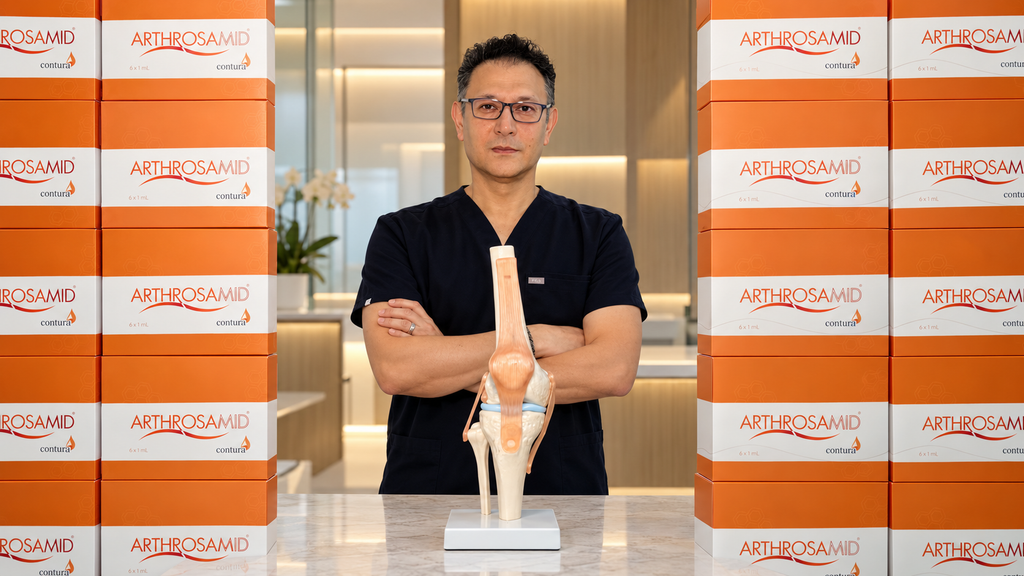
Revolutionizing Wellness: The Latest Health Breakthroughs You Need to Know

Introduction & Background
In an era where technology and science continuously push the boundaries of human potential, wellness has emerged as more than just a trend. It has become a transformative movement reshaping how we perceive health, longevity, and overall well-being. The past decade has witnessed remarkable breakthroughs in medical technology, personalized nutrition, mental health innovations, and preventative care. These advancements are not only improving individual lives but are also redefining societal expectations of what it means to be healthy.
From wearable devices that monitor every heartbeat to gene-editing therapies that promise to eradicate hereditary diseases, the wellness revolution is fueled by a blend of curiosity, innovation, and urgency. As chronic illnesses rise and global health challenges intensify, the demand for proactive, science-backed solutions has never been greater. This article explores the most groundbreaking health breakthroughs of recent years, highlighting how they are revolutionizing wellness and what they mean for the future of healthcare.
Concept & Overview
At its core, the wellness revolution is about shifting from reactive to proactive health management. Traditionally, healthcare has focused on treating illnesses after they occur, but the latest breakthroughs emphasize prevention, early detection, and personalized care. This paradigm shift is driven by several key principles:
Data-Driven Insights: The integration of artificial intelligence (AI), big data, and wearable technology allows for real-time health monitoring and predictive analytics. These tools help individuals understand their bodies better and make informed decisions about their health.
Personalization: Every person’s genetic makeup, lifestyle, and environment are unique. Modern wellness solutions leverage genomics, microbiome analysis, and AI to tailor interventions specifically to an individual’s needs.
Holistic Approach: Wellness is no longer confined to physical health alone. Mental, emotional, and social well-being are now recognized as equally vital components of overall health. Innovations in mindfulness, sleep science, and stress management are playing a crucial role in this transformation.
Accessibility & Empowerment: Advances in telemedicine, mobile health apps, and affordable diagnostics are democratizing healthcare, making it accessible to people regardless of their location or socioeconomic status.
Key Features & Highlights
- Gene Editing and CRISPR Technology: CRISPR-Cas9 has revolutionized genetic engineering by allowing scientists to edit DNA with unprecedented precision. This breakthrough holds immense potential for curing genetic disorders, such as sickle cell anemia, cystic fibrosis, and certain types of cancer. Clinical trials are already showing promising results, with some therapies receiving regulatory approval.
- Wearable Health Monitors: Devices like smartwatches, fitness trackers, and continuous glucose monitors (CGMs) have become ubiquitous. These gadgets provide real-time data on heart rate, blood pressure, blood sugar levels, sleep patterns, and more. Companies are now integrating AI to predict health risks before symptoms appear.
- Personalized Nutrition: Advances in gut microbiome research have led to the development of personalized diet plans based on an individual’s microbiome composition. Companies like Nutrino and Viome are using AI to analyze stool samples and recommend foods that optimize gut health and reduce inflammation.
- Psychedelic-Assisted Therapy: Once stigmatized, psychedelics like psilocybin (found in “magic mushrooms”) and MDMA are now being studied for their potential to treat mental health conditions such as depression, PTSD, and anxiety. Clinical trials have shown remarkable results, with some treatments receiving breakthrough therapy designations from the FDA.
- Longevity and Anti-Aging Sciences: Research into senolytics, NAD+ boosters, and cellular reprogramming is pushing the boundaries of human lifespan and healthspan. Companies like Altos Labs and Calico are investing billions into understanding the biology of aging and developing therapies to slow or reverse it.
- Telemedicine and Remote Care: The COVID-19 pandemic accelerated the adoption of telehealth services, making it easier for people to consult doctors, receive diagnoses, and get treatment without visiting a clinic. Platforms like Teladoc and Amwell are now mainstream, offering 24/7 access to healthcare professionals.
- Non-Invasive Brain Stimulation: Technologies like transcranial magnetic stimulation (TMS) and transcranial direct current stimulation (tDCS) are being used to treat depression, anxiety, and even cognitive decline. These methods are non-invasive, drug-free, and have shown promising results in clinical settings.
- Plant-Based and Lab-Grown Meat: The food industry is undergoing a transformation with the rise of plant-based alternatives and lab-grown meat. These innovations aim to reduce the environmental impact of traditional livestock farming while providing healthier, more sustainable protein sources.
Frequently Asked Questions / Pros & Cons
What are the biggest advantages of gene editing technology like CRISPR?
Pros:
- Potential to cure previously untreatable genetic disorders.
- Can target and correct mutations at the DNA level, offering a permanent solution.
- Accelerates drug development by allowing precise modeling of diseases.
Cons:
- Ethical concerns surrounding “designer babies” and germline editing.
- Unintended off-target effects that could lead to new health issues.
- High costs and accessibility issues may limit widespread adoption.
How reliable are wearable health monitors in detecting serious health conditions?
Pros:
- Provide continuous, real-time data that can alert users to anomalies.
- Help in early detection of conditions like atrial fibrillation or sleep apnea.
- Encourage users to adopt healthier lifestyles through data-driven feedback.
Cons:
- Accuracy can vary, leading to false positives or negatives.
- Over-reliance on technology may reduce personal awareness of bodily signals.
- Privacy concerns regarding the storage and use of personal health data.
Is psychedelic-assisted therapy safe and legal?
Pros:
- Clinical trials have shown significant improvements in treatment-resistant depression and PTSD.
- Offers a rapid and long-lasting therapeutic effect compared to traditional antidepressants.
- Being fast-tracked by regulatory bodies like the FDA for breakthrough therapies.
Cons:
- Still classified as Schedule I drugs in many countries, limiting research and accessibility.
- Potential for adverse psychological reactions, especially without proper supervision.
- Social stigma and legal barriers may hinder widespread acceptance.
Can personalized nutrition really make a difference in health outcomes?
Pros:
- Tailored dietary recommendations can address individual deficiencies and intolerances.
- May help manage chronic conditions like diabetes, obesity, and autoimmune diseases.
- Encourages a more sustainable and enjoyable approach to eating.
Cons:
- High cost of microbiome testing and personalized meal plans may be prohibitive.
- Requires consistent monitoring and adjustments, which can be time-consuming.
- Limited long-term studies on the efficacy of personalized nutrition interventions.
Practical Guidance & Solutions
With so many groundbreaking innovations available, it can be overwhelming to know where to start. Here are practical steps to incorporate these wellness breakthroughs into your life effectively and responsibly:
Educate Yourself: Stay informed about the latest health breakthroughs by following reputable sources such as peer-reviewed journals, health organizations, and trusted medical professionals. Knowledge is your first line of defense against misinformation.
Consult a Healthcare Provider: Before making significant changes to your health routine, especially when considering interventions like gene editing, psychedelic therapy, or personalized nutrition plans, consult a licensed healthcare provider. They can help you understand the risks, benefits, and alternatives.
Start Small with Wearables: If you’re new to health monitoring, begin with a wearable device that tracks basic metrics like steps, heart rate, and sleep. Gradually, you can explore more advanced features as you become comfortable with the data.
Focus on Holistic Wellness: Remember that true wellness encompasses physical, mental, and emotional health. Incorporate mindfulness practices, such as meditation or yoga, into your routine. Prioritize sleep hygiene and stress management alongside dietary and fitness goals.
Advocate for Ethical Practices: Support companies and researchers who prioritize ethical considerations, transparency, and accessibility. Advocate for policies that ensure fair access to emerging health technologies, particularly for underserved communities.
Join Communities: Engage with online forums, local wellness groups, or support networks focused on the health innovations you’re interested in. Sharing experiences and insights can provide valuable perspectives and motivation.
Monitor Progress and Adjust: Track your health metrics over time and be open to adjusting your approach based on results. Wellness is a dynamic journey, and what works for one person may not work for another.
Conclusion
The wellness revolution is not a distant dream. It is unfolding before our eyes, shaped by science, technology, and an unwavering commitment to improving human health. From gene editing to psychedelic therapy, from personalized nutrition to wearable health monitors, these breakthroughs are empowering individuals to take control of their well-being like never before.
As these innovations become more accessible and integrated into mainstream healthcare, the possibilities for a healthier, happier future are limitless. However, with great power comes great responsibility. It is crucial to approach these advancements with a critical mind, ethical considerations, and a focus on inclusivity. The goal is not just to live longer, but to live better, with vitality, purpose, and resilience.
Whether you are a health enthusiast, a curious observer, or someone seeking solutions for a specific condition, the wellness revolution offers tools and knowledge to transform your life. Embrace the journey, stay informed, and take proactive steps toward a healthier you. The future of wellness is here, and it is yours to shape.